Liftoff: Neuropsychiatry with functional MRI comes of age
Dr. Damien Fair obtained his BA degree from Augustana College in Sioux Falls, South Dakota and his Master of Medical Science degree from the Physician Assistant program at the Yale University School of Medicine. From 2001-2003, Dr. Fair practised as a Physician Assistant in the neurology department at Yale-New Haven Hospital under the direction of Lawrence Brass, MD. He then pursued further education in the Neuroscience Graduate Program at the Washington University School of Medicine in St. Louis. Dr. Fair completed postdoctoral training at Oregon Health and Science University (OHSU) with Joel Nigg, PhD, and Bonnie Nagel, PhD, where he spent 10 years as the principal investigator of the Developmental Cognition and Neuroimaging Labs and a champion for diversity, equity and inclusion efforts. Dr. Fair is currently a founding Co-Director of the Masonic Institute for the Developing Brain (MiDB) and Professor in the School of Medicine at the University of Minnesota.
Lucina Uddin University of California, Los Angeles (UCLA)
Brain dynamics and flexible behaviours
After receiving a PhD in cognitive neuroscience from the Psychology Department at UCLA, Dr. Uddin completed a postdoctoral fellowship in the Child Study Center at New York University. For several years, she worked as a faculty member in Psychiatry and Behavioral Science at Stanford University. She recently returned to UCLA where she currently directs the Brain Connectivity and Cognition Laboratory and the Center for Cognitive Neuroscience Analysis Core in the Semel Institute for Neuroscience and Human Behavior. Within a cognitive neuroscience framework, Dr. Uddin’s research combines functional and structural neuroimaging to examine the organization of large-scale brain networks supporting the development of social cognition and executive function. Her current projects focus on understanding dynamic brain network interactions underlying cognitive inflexibility in neurodevelopmental conditions such as autism spectrum disorder.
Beyond the reductionist paradigm: Context and complexity in neuroscience
Amélie Quesnel-Vallée holds the Canada Research Chair in Policies and Health Inequalities at McGill University, where she is the Inaugural Chair and a Professor in the Department of Equity, Ethics and Policy (Faculty of Medicine and Health Sciences) and a Professor in the Department of Sociology (Faculty of Arts). She is the founding Director of the McGill Observatory on Health and Social Services Reforms and a founding member of the McGill Centre on Population Dynamics. She also founded and is Executive Director of CAnD3, an international consortium delivering training in support of evidence-based decision making. Her research examines how policies can lead to social inequalities in health over the life course and has received awards from the American Sociological Association, the Population Association of America and the American Public Health Association. A two-time Fulbright Foundation awardee, most recently of a Distinguished Chair (2020), she has held leadership roles such as the Inaugural Chair of the Standing Committee on Science (2022-2024), as a Member of the Executive Committee (2021-2024) and as President of the Canadian Population Society and of the International Sociological Association’s Research Committee on the Sociology of Health.
Panel Digital tools and their application/translation into the health system
Synthia Guimond The Royal’s Institute of Mental Health Research (IMHR), Ottawa
ThinkTactic VR: Using virtual reality to improve cognition and functioning in individuals with psychosis
Dr. Synthia Guimond is an Associate Professor of Psychology at the University of Quebec in Outaouais and of Psychiatry at the University of Ottawa. She is also a scientist at The Royal’s IMHR, where she leads the Cognitive Remediation and Neuroimaging Laboratory and the Cognitive Health Research Clinic. She completed her PhD in psychology at McGill in 2016, followed by a two-year postdoctoral fellowship in psychiatry at Harvard Medical School. Dr. Guimond’s research focuses on developing treatments to improve cognitive functioning in individuals with schizophrenia and related disorders. She integrates digital tools, including virtual reality and mobile applications, to assess and enhance cognition, aiming to improve everyday functioning. Her work also examines neural mechanisms underlying cognitive deficits using multimodal neuroimaging. Her research is supported by the CIHR, the New Frontiers Research Fund, the NARSAD Young Investigator Award and the Fonds de recherche du Québec – Santé Junior 1.
SARPEP: A rapid-learning healthcare system of early intervention services for psychosis in Quebec, Canada
Dr. Amal Abdel-Baki is head psychiatrist of the Youth Mental Health Service at the CHUM. She has structured an integrated research program within the JAP clinic on the factors that have an impact on the evolution and rehabilitation of young adults suffering from psychotic disorders. Her recent research focuses on how to support the large-scale implementation of the care model of early intervention programs for first psychotic episodes (FEP) across Quebec using a rapid learning system, SARPEP. SARPEP is joined by the PAIRPEP project aimed at supporting the integration of peer-support/family peer-support in 12 PEPs in Quebec. The support offered by PAIRPEP is possible thanks to its partnership with all stakeholders including young people, families, peer-supporters/family peer-supporters, clinicians, researchers, organizations specializing in peer support, policy makers, both in the support offered to peer-supporters/family peer-supporters and clinical teams as well as the research aimed at documenting its impact.
Dr. Shalini Lal is an occupational therapist and the former Canada Research Chair in Innovations for Youth Mental Health (2017-2025), a title bestowed by the Government of Canada. She was a tenured Associate Professor at the University of Montreal (Faculty of Medicine, School of Rehabilitation) and Principal Researcher at the University of Montreal’s Hospital Research Centre (CRCHUM) from 2015-2025. Currently, she is an Adjunct Professor at the University of Montreal, an Associate Researcher at the Douglas Mental Health University Institute and the CRCHUM, and the Scientific Director of the Youth Mental Health and Technology (YMHTech) Lab, which she established in 2015. Her research focuses on improving youth mental health and their access to services. She has received several awards and funding from various organizations, including the Canadian Institutes of Health Research and the Brain & Behavior Research Foundation (USA).
Panel Early biomarkers for development and monitoring of effective disease-modifying therapies
Marco A. M. Prado, PhD, is the Tier 1 Canada Research Chair in Neurochemistry of Dementia, University of Western Ontario. Dr. Prado’s laboratory focuses on generating and characterizing mouse models of dementia and understanding how neurochemical alterations in neurodegenerative diseases contribute to protein misfolding and cognitive dysfunction. His research group combines the use of sophisticated touchscreen tests of high-level cognition and detailed biochemical, imaging and genetic analysis to reveal mechanisms regulating pathological changes relevant to human disease. Dr. Prado has received numerous awards and recognition for his research, including a Guggenheim Fellowship, Faculty Scholar Award and Dean’s Research Excellence Award. Work from his lab has been critical to inform on genes that cause rare diseases (VAChT) and determined potential physiological functions for the prion protein. He has also contributed to the understanding of roles of chaperones in mammalian physiology and neurodegenerative diseases in vivo and generated multiple mouse models of dementia. Dr. Prado is currently spearheading with several colleagues an Open Science Repository for high-level cognitive, imaging and neurochemical data in mouse models of dementia, to increase the reproducibility and replicability of datasets in pre-clinical research.
Characterization and drug testing in a mouse model of synucleinopathy
Mallar Chakravarty is a Computational Neuroscientist in the Cerebral Imaging Centre at the Douglas Mental Health University Institute. He is a James McGill Professor, Full Professor in the Department of Psychiatry and an Associate member of the Department of Biomedical Engineering at McGill University. He is also a member of the Royal Society of Canada’s College of New Scholars, Artists, and Scientists. He is interested in the anatomy of the brain, and his group focuses on how anatomy changes through development, aging and in illness, and how the dynamics of brain anatomy are influenced by genetics and environment. In collaboration with Marco Prado from Western University, he co-leads the McGill Initiative in Translational Neuroscience (ITN) project dedicated to accelerating the screening and testing of novel compounds for neurodegenerative disorders. Together, Drs. Chakravarty and Prado use an innovative combination of brain imaging, behavioural testing and molecular assays to screen or fast fail compounds in small animal models. Their project emphasizes replication and open science to robustly move compounds through the drug development process.
Panel Initiative for Translational Neuroscience
Non-invasive neurostimulation guided by circuit models for suppressing epileptiform activity
Christopher Pack is a Professor in the Department of Neurology and Neurosurgery at The Neuro (Montreal Neurological Institute-Hospital) and works in the domain of systems neuroscience, with a focus on measuring and manipulating brain activity. His lab studies the cerebral cortex with the goal of finding out how neurons communicate information about the visual world. They use microelectrode recordings to listen to individual neurons as they talk to their neighbours. These conversations are a type of code—in effect, the software that makes the brain’s hardware capable of vision. Part of this code can be understood in a straightforward way if one knows the statistics of the visual input. The relationship between these statistics and neural activity can be determined through computation. One of the goals of this research is to develop a quantitative understanding of how these different aspects of neural activity relate to memory, perception and behaviour.
Dr. Muller combines neuroscience, computational modelling and applied mathematics to develop novel insights into dynamics and computation in cortical circuits. After studying computational neuroscience at Brown University, he completed his PhD in computational and theoretical neuroscience under Alain Destexhe at CNRS Gif-sur-Yvette. He then conducted postdoctoral research with Terry Sejnowski at the Salk Institute in San Diego. In 2019, Dr. Muller moved to Western to establish a research group in the Department of Mathematics and the Western Institute for Neuroscience (WIN).
Impaired tRNA Function in Amyotrophic Lateral Sclerosis (ALS)
Dr. Thomas M. Durcan is an Associate Professor within The Neuro and McGill University and the Director of The Neuro’s Early Drug Discovery Unit (EDDU), focused on the use of human induced pluripotent stem cells (iPSCs) for fundamental and translational discovery project through partnerships with academia and industry. Founded under a decade ago, the group has established a cohort of 200+ iPSCs that have been advanced into different projects within the group and used to generate a wide range of neuronal and glial subtypes, in addition to more advanced 3D brain organoid models, with a focus on Parkinson’s disease, ALS and neurodevelopmental disorders. This work has been funded through research grants from the Michael J Fox Foundation, Brain Canada, CQDM, the Canadian Institute for Health Research, the US Department of Defense (DOD) and the McGill’s Healthy Brains, Healthy Lives (HBHL) initiative.
Translating epilepsy neuroimaging biomarkers into the operating room
Boris Bernhardt is an Associate Professor of Neurology and Neurosurgery and a Canada Research Chair at The Neuro. His lab studies the role of structural and functional network organization in human cognition in neurotypical individuals and populations with atypical brain development, notably people with epilepsy and autism. To this end, they develop neuroinformatics approaches that integrate connectome models with multimodal neuroimaging, electrophysiology, histology and transcriptomics techniques. His team made multiple tools for multiscale neuroscience openly available (e.g., Micapipe, BrainStat, BrainSpace, ENIGMA TOOLBOX, BigBrainWarp, HippoMaps) and they shared several high-def datasets with the community (e.g., MNI-HISUB25, MICA-MICs). Dr. Bernhardt is a work package leader of the HIBALL project and the Associate Leader of HBHL’s first research theme, Neuroinformatics and Computational Modelling.
Jonathan Lau is an MD and PhD trained neurosurgeon and researcher in the Department of Clinical Neurological Sciences at Western University with cross-appointments to Biomedical Engineering and Neuroscience. He runs the AIMS lab at Western University focused on using anatomy and informatics approaches to improve modulation and surgery in the clinical neurosciences. He is a certified Fellow of the Royal College of Surgeons of Canada (FRCSC) and received the Royal College Detweiler traveling scholarship to complete further subspecialty training at Emory University in epilepsy and stereotactic and functional neurosurgery. His research has used advanced imaging techniques to identify small brain structures in vivo, including the elusive zona incerta or “uncertain region” and subfields of the hippocampus, leveraging computational methods and ultra-high field MRI, with implications for improved target localization for diagnosis and therapy.
Panel Innovation to impact: Clinical and commercial potential in research
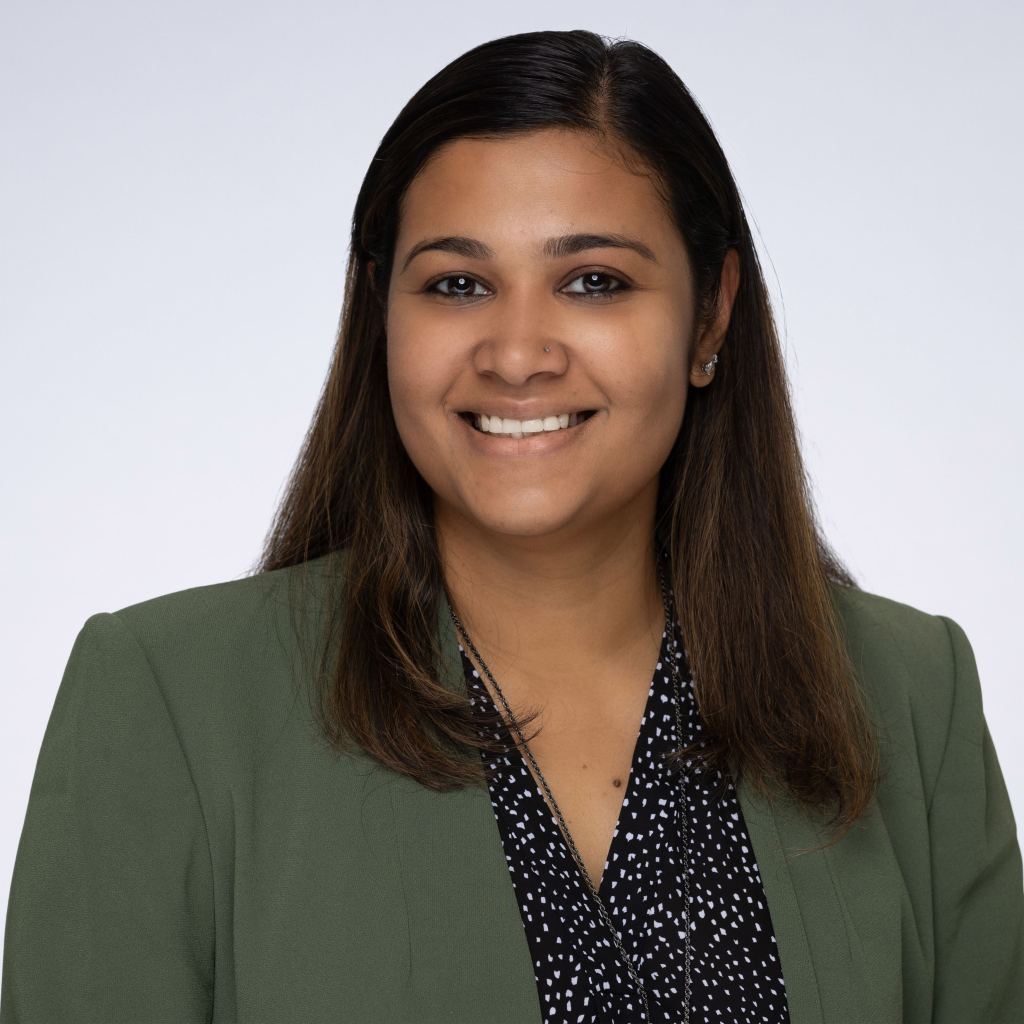
Dr. Trakadis is a medical geneticist at the McGill University Health Centre (MUHC), where he is involved in the diagnosis and treatment of patients with rare genetic disorders. His academic interests include the clinical integration of novel technologies and the application of artificial intelligence (AI) approaches in genomics and multiomics data. Dr. Trakadis’ team has led several research projects involving AI for the analysis of genomic and downstream functional data from thousands of patients, aiming to contribute to the advancement of precision medicine to improve patient care and ease their suffering.
Gail Myhr MD, CM, MSc, FRCPC is the co-founder and CSO of AVAtalk Technologies Inc, a Quebec startup that has developed a digital platform to administer AVATAR therapy—a cutting-edge psychotherapeutic intervention for individuals experiencing distressing auditory hallucinations. As an Associate Professor of Psychiatry at McGill University and medical director of the MUHC’s Centre for Cognitive Behavourial Therapy (CBT) Research, Training and Intervention, her experience treating patients with a wide range of diagnoses led to her interest in helping those for whom the usual treatments were less effective. In 2021, Dr. Myhr was elected Fellow of the Canadian Association of Cognitive and Behavioural Therapies, in recognition of her distinguished contribution to the science, practice, training and advocacy of cognitive and behavioural therapies within the Canadian context. Her clinical and research interests include CBT for psychosis, suitability for short-term CBT, attachment-related interventions in CBT and evidence-based clinical supervision.
Dr. Benoit J. Gentil is an Associate Professor with the Department of Kinesiology and Physical Education (KPE) and Interim Director of the Sylvan Adams Sport Science Institute at McGill. He is a leader in the fields of kinesiology and neuroscience, focusing on the genetics and epigenetics of motor development and performance. His research addresses motor deficits and rare neurological disorders as well as determinants of athletic performance. He has published more than 30 peer-reviewed articles in top-tier journals, as well as having developed several innovative courses at McGill, with special attention on integrating the needs of rare disease patients and para-athletes into educational and research frameworks. His leadership extends to roles on McGill’s Faculty Steering Committee and as a member of the Medical and Scientific Advisory Board of Muscular Dystrophy Canada, where he supported the foundation in strategic initiative development.
Stefanie Blain-Moraes is a biomedical engineer and the Canada Research Chair in Consciousness and Personhood Technologies. She is currently an Associate Professor at the School of Physical and Occupational Therapy at McGill University, where she leads the Biosignal Interaction and Personhood Technology (BIAPT) Lab. Her research focuses on developing assistive technologies to enhance the assessment of and interaction with individuals who are behaviourally unresponsive. The goals of the lab are to 1) advance the understanding of the neurophysiological basis of human consciousness and interaction and 2) to translate this understanding into technologies that improve the quality of life of non-communicative persons and their caregivers.
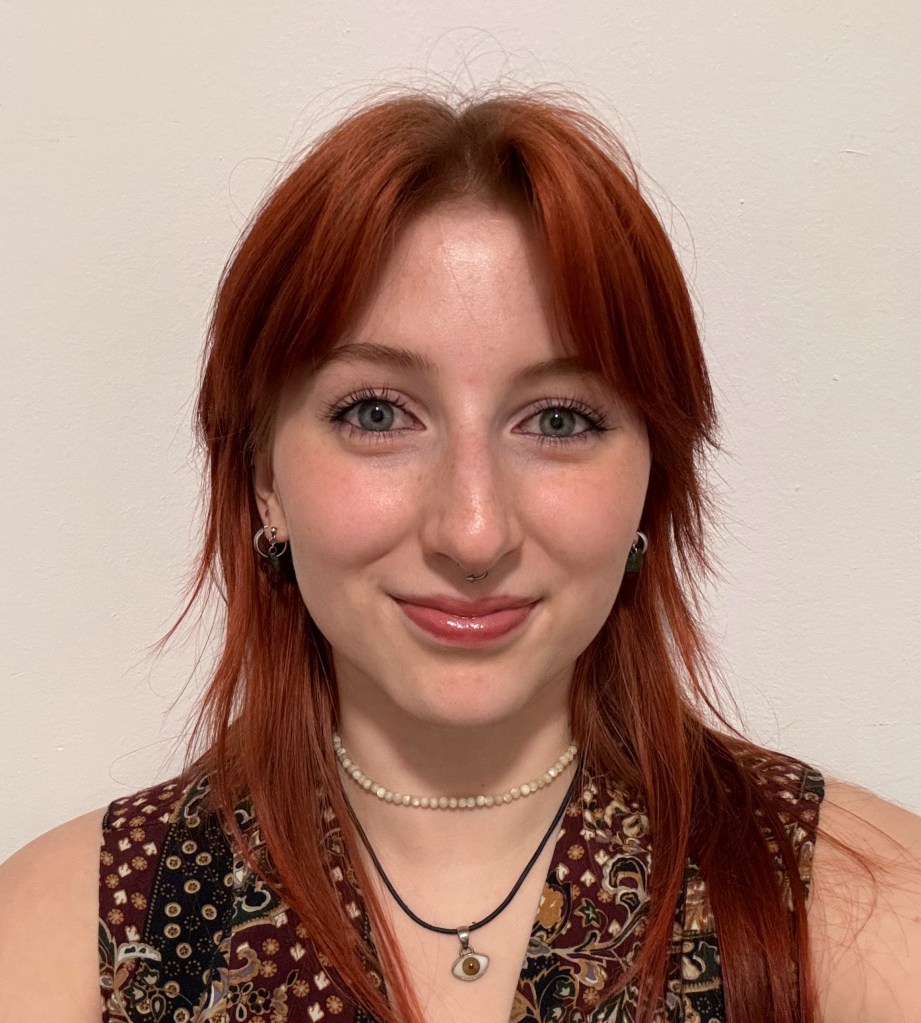
Margaret is a citizen of the Métis Nation British Columbia. She earned her BEd in Kindergarten and Elementary Education from McGill University and taught grade two at the English Montreal School Board. Margaret is currently a 2024 McCall MacBain Scholar pursuing a Master of Arts in Educational Leadership. In addition, she works as the Indigenous Community Program Advisor at Branches, McGill’s Community Outreach Program at Enrolment Services.
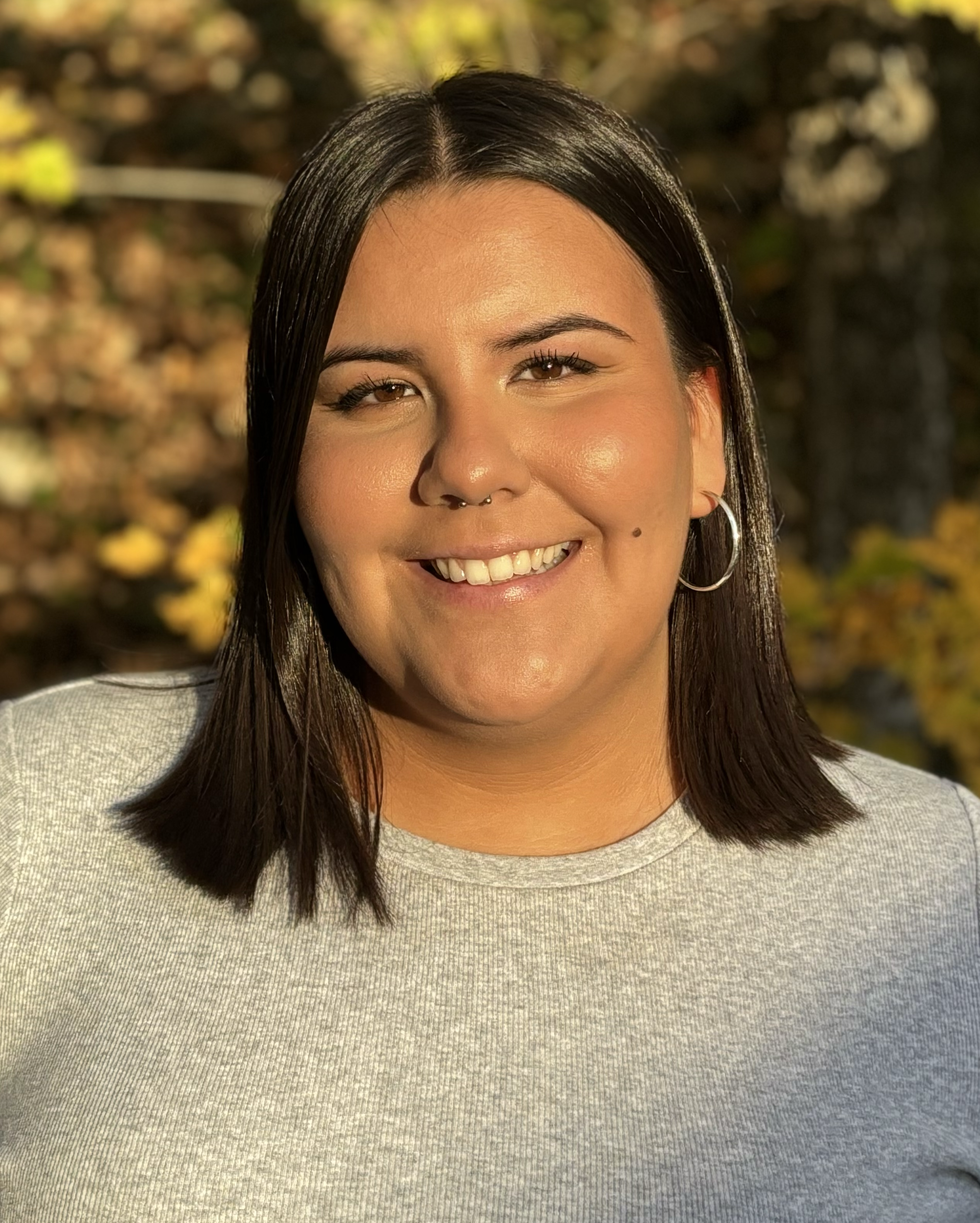
Sianna Williamson is a member of the Shuswap Nation in British Columbia and is a fourth-year undergraduate student at McGill University pursuing an Honours Equivalent Bachelor of Science in Psychology with a minor in Indigenous Studies. A recipient of the McGill Provost’s Indigenous Achievement Award, they are committed to academic excellence and research that uplifts Indigenous perspectives in psychology. Through the IMPRESS Indigenous Undergraduate Research Program, they explored bipolar disorder, cognition and self-stigma under the supervision of Dr. Delphine Raucher-Chéné. Building on this experience, they continue to work with Dr. Raucher-Chéné at the CRISP Lab, where they are completing a thesis project on social cognition, gender and bipolar disorder. In the future, they intend to pursue graduate studies and a research career focused on Indigenous wellbeing, decolonizing psychological research and advocating for culturally informed approaches.
Sienna is a member of the Brokenhead Ojibway Nation in Manitoba. She is currently pursuing a Bachelor of Arts in Psychology with a double minor in Behavioural Science and Sociology at McGill University. Sienna participated in the IMPRESS program for two summers and she currently works as an Indigenous Program Ambassador for Branches, where she helps to organise the IMPRESS program and Pick Your Path for Indigenous students.
Panel Computational neuroscience: The future of the field
Blake Richards is an Associate Professor at the School of Computer Science and in the Department of Neurology and Neurosurgery at McGill University, as well as a Core Academic member of Mila – Quebec Artificial Intelligence Institute. Richards’ research lies at the intersection of neuroscience and AI. His laboratory investigates universal principles of intelligence that apply to both natural and artificial agents. He has received several awards for his work, including the NSERC Arthur B. McDonald Fellowship in 2022, the Canadian Association for Neuroscience Young Investigator Award in 2019 and a Canada CIFAR AI Chair in 2018. Richards was a Banting Postdoctoral Fellow at SickKids Hospital from 2011 to 2013. He obtained his PhD in neuroscience from the University of Oxford in 2010 and his BSc in cognitive science and AI from the University of Toronto in 2004.
Paul Masset is an Assistant Professor in the Department of Psychology at McGill University and an Affiliate Member at Mila – Quebec Artificial Intelligence Institute working at the intersection of neuroscience, AI and cognitive science. The focus of his research group is to understand how the structure of neural circuits endows the brain with efficient distributed computations underlying cognition and how we can leverage these principles to design more efficient learning algorithms. Prior to joining McGill, he was a Postdoctoral Fellow at Harvard University. He obtained his PhD at Cold Spring Harbor Laboratory, his Master’s in Cognitive Science at the École des hautes études en sciences sociales (EHESS) and his MEng/BA in Information and Computer Engineering at the University of Cambridge.
Dr. Andreea Diaconescu is a Scientist at the Krembil Centre for Neuroinformatics at the Centre for Addiction and Mental Health (CAMH) and an Assistant Professor of Psychiatry at the University of Toronto. She leads the Cognitive Network Modelling Lab at CAMH, which focuses on developing computational tools to understand psychosis risk, suicide prevention and cognitive processes in severe mental illnesses. Her research combines gamified learning tasks, advanced mathematical modelling with neuroimaging and electrophysiological data to develop tools for personalized mental health interventions. Her most recent studies examine the role of cognitive network modelling in treatment response prediction in major depression and schizophrenia spectrum disorders. Dr. Diaconescu has a strong commitment to collaborative research, securing significant funding through national and international grants, including the NARSAD Young Investigator Award. She is also a strong advocate for open science and open data, ensuring that her research adheres to principles of transparency and reproducibility. Through data sharing and collaborative platforms, she aims to make mental health research more accessible and impactful globally.
Marieke Mur is an Assistant Professor at Western University. She aims to understand how the human brain transforms sensory signals from the outside visual world into meaningful representations that support cognition and action. Research in her lab combines psychophysics, neuroimaging and computational modelling to study the neural computations that give rise to our understanding of the world.
Panel Integrating social determinants of health in neuroscience
Representative recruitment and social determinants of health in research on aging
Maiya Geddes is a Neurologist Scientist and leads a research program at The Neuro. Her research focuses on understanding motivational processes in aging and early Alzheimer’s disease using translational neuroscience and brain imaging techniques. She applies this new knowledge to design intervention studies and behavioural randomized controlled trials with the goal of dementia prevention. Dr. Geddes completed medical school at UBC, a residency in Neurology at McGill followed by a six-year CIHR postdoctoral fellowship at MIT and a clinical fellowship in Behavioral Neurology and Neuropsychiatry at Harvard. After her fellowship, she joined the faculty at Harvard before returning to McGill in 2019. Dr. Geddes is a Killam Scholar, recipient of the 2024 Brain Canada Future Leaders award, the 2023 Alzheimer Society Research Program New Investigator award and the American Neuropsychiatric Association Career Development Award.
Social contexts and brain development: Insights from a pediatric neuroimaging pilot study
Dr. Tasmia Hai is a clinical child psychologist and an Assistant Professor in the Department of Educational and Counselling Psychology at McGill University. Her expertise focuses on child and family mental health services for racialized and immigrant populations. Dr. Hai’s research is dedicated to developing targeted interventions that foster resilience and support positive socio-emotional and educational outcomes in children from these communities. She is also a DIVERT (Digital, Inclusive, Virtual, and Equitable Research Training in Mental Health Platform) Mental Health fellow. DIVERT is a transdisciplinary initiative aimed at transforming mental health research and practice in Canada through digital, inclusive and equitable approaches.
Integrating social determinants of health in neuroscience
Dr. Robert-Paul Juster, PhD, is an IPN graduate and currently an Associate Professor in the Department of Psychiatry and Addiction at the University of Montreal. Dr. Juster leads the Center on Sex*Gender, Allostasis, and Resilience (CESAR) based at the Research Centre of the Montreal Mental Health University Institute. Dr. Juster’s research focuses on stress and resilience using a sex and gender lens. Dr. Juster has expertise in the measurement of allostatic load, the ‘wear and tear’ of chronic stress. In much of Dr. Juster’s research, he and his team of aim to better understand how stigma, stress and strain influence the health of equity deserving groups. His research program has also included studying allostatic load among many diverse groups across lifespan development with a particular focus on using allostatic load as a marker of accelerated aging in biological psychiatry.
Dr. Jai Shah is Associate Professor of Psychiatry at McGill and the Co-Director of the Prevention and Early Intervention Program for Psychosis, an integrated clinical research infrastructure at the Douglas Mental Health University Institute and McGill University. He has engaged in an array of clinical research projects from neurobiology to health services and policy, with a particular focus on populations in the earliest phases of psychotic illness, transdiagnostic clinical staging and stepped care models of mental illness and youth mental health service transformation.
Martin Lepage is the James McGill Professor of Psychiatry at McGill University and a researcher at the Douglas Research Centre where he also holds the position of Deputy Scientific Director. In that capacity, he contributes to the growth of the Centre by leading several large developments, notably the Douglas Data and Digital Science for Mental health (D3SM) initiative and the Open Science Program. On the clinical side, he has been working as a clinical psychologist at the Douglas Institute for more than 20 years. Over the years, Dr. Lepage and his team have developed a comprehensive research program on schizophrenia and related psychotic disorders. One important research theme is the understanding of cognitive impairments in psychosis including their neural substrates and how they influence clinical trajectories and functioning. His research team is also leading the largest study in North America on ultra-long-term outcome following a first episode of psychosis. Finally, another key theme involves the development of novel cognitive health interventions.
Dr. Lisa Saksida, PhD, FRSC, FCAHS is the Tier 1 Canada Research Chair in Translational Cognitive Neuroscience, Co-Scientific Director of BrainsCAN—a $66M Canada First Research Excellence Fund program in cognitive neuroscience—and co-directs the Translational Cognitive Neuroscience Laboratory at Western University. She is a Fellow of the Canadian Academy of Health Sciences and the Royal Society of Canada. In 2020, she was selected as one of Canada’s Top 100 Most Powerful Women by the Women’s Executive Network in recognition of her efforts to improve equity, diversity and inclusion as well as her mentorship of other women. Dr. Saksida’s work involves theoretically rigorous, mechanistic studies of cognition in disease models, using pharmacological, genetic and molecular manipulations along with sophisticated analysis of cognition and behaviour. Using these methods, she investigates fundamental questions about the neurobiological underpinnings of cognition and how the answers to these questions can best be translated to treatments for patients.
Benoit Boulet, PEng, PhD, FCAE is Professor of Electrical and Computer Engineering at McGill University and the co-founding Director of the McGill Engine Centre. Having joined McGill in 1998, he is also McGill’s Associate Vice-President (Innovation and Partnerships). Professor Boulet is a former Director and current member of the Centre for Intelligent Machines where he heads the Intelligent Automation Laboratory. He sits on the boards of Mila, IVADO and other not-for-profit research organizations. His research, development and innovation interests are guided by the energy transition and include the design and data-driven control of autonomous electric vehicles and renewable energy systems, as well as the safe and robust applications of machine learning to sequential decision making.
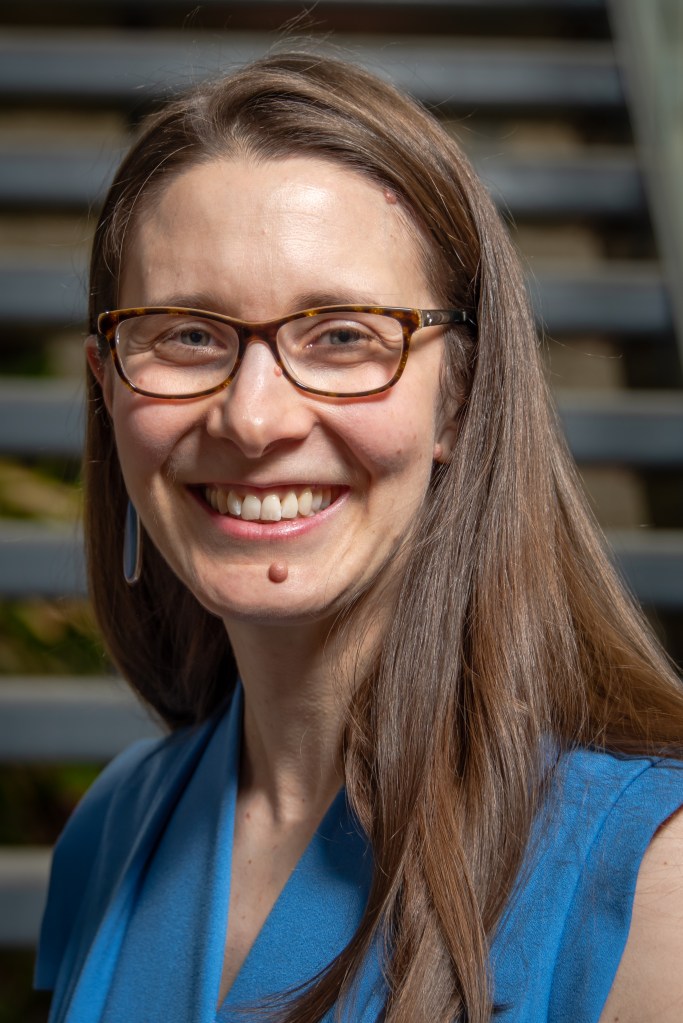
As Managing Director and CEO of HBHL, Krystle is responsible for carrying forward HBHL’s strategic vision while overseeing the ongoing implementation of complex, high-profile funding programs and innovation partnerships within the neuroscience and related communities at McGill, in Canada and beyond. Over the past two decades, she has held a variety of leadership positions within the non-profit sector, the federal government and the United Nations—most recently as Assistant Director of the CIHR Institute of Gender and Health. She has a wealth of experience defining strategic goals and guiding day-to-day operations, including the administration of complex financial systems in the health research environment. An expert in knowledge translation, Krystle has led communications departments for two Canadian associations—work that has been recognized with national awards.
Alan Evans is a distinguished James McGill Professor of Neurology and Neurosurgery, Psychiatry and Biomedical Engineering at McGill University, renowned for his pioneering contributions to neuroscience. His leadership roles at McGill include serving as the scientific director of HBHL, co-director of the Ludmer Centre for Neuroinformatics and Mental Health, as well as Principal Investigator of CBRAIN, an initiative integrating Canadian brain research with high-performance computing. A trained biophysicist, Alan has become a pillar in brain health research, representing Canada in collaborations such as the European Human Brain Project and co-leading the BigBrain (HIBALL) project. Since 1984, Alan has been at the forefront of research at The Neuro, specializing in multi-modal brain imaging with PET/MRI and structural network modelling. With groundbreaking work in pediatric neurodevelopment through the National Institutes of Health (NIH), Alan’s contributions have made a profound impact on understanding brain anatomy and behaviour. His accolades include the Killam Prize, the Senate of Canada 150 Medal and the Royal Society of Canada McLaughlin Medal.
Laurence J. Kirmayer, MD, FRCPC, FCAHS, FRSC is a Distinguished James McGill Professor and the Director of the Division of Social and Transcultural Psychiatry in the Department of Psychiatry at McGill University. He is a Senior Investigator at the Lady Davis Institute and directs the Culture and Mental Health Research Unit at the Institute of Community and Family Psychiatry, Jewish General Hospital, in Montreal, where he conducts research on culturally responsive mental health services and the anthropology and philosophy of psychiatry. His publications include the books “Healing and the Invention of Metaphor: Toward a Poetics of Illness Experience” (Cambridge University Press, 2025); “Unraveling the World Knot: Mind-Body Problems in Clinical Context” (forthcoming); and the co-edited volumes: “Re-Visioning Psychiatry: Cultural Phenomenology, Critical Neuroscience, and Global Mental Health” (2015); and “Culture, Mind and Brain: Emerging Concepts, Models, and Applications” (2020). He is a Fellow of the Canadian Academy of Health Sciences and the Royal Society of Canada.








 HBHL Symposium